LA VERDAD INTOCADA DE LA PRIMERA GUERRA.
THE UNTOUCHED TRUTH OF THE FIRST WAR.
Resumen Artístico de "LA VERDAD INTOCADA: Crónicas del Guerrero Único" Introducción a un Viaje Épico En el vasto universo de la literatura, "LA VERDAD INTOCADA: Crónicas del Guerrero Único" se erige como una obra monumental que entrelaza el destino humano con la divinidad. Con una estructura que recuerda a los antiguos mitos y las profecías apocalípticas, la novela nos invita a sumergirnos en una narrativa que desafía nuestra comprensión de la realidad, el tiempo y la fe. La Visión de Ezra: Un Comienzo Sobrenatural La historia comienza con Ezra, el Rapsoda, quien se encuentra en el umbral de una revelación cósmica. Su visión no es simplemente un sueño, sino un despertar a una realidad donde lo divino y lo terrenal convergen. La imagen de Dios Padre y Jesús Niño, representados como dos estrellas en un cielo distinto, simboliza la dualidad de lo sagrado. Esta visión inicial sirve como un mandato que pone en marcha la búsqueda de la "Comprobación Científica", un hilo narrativo que entrelaza lo espiritual con lo racional. Los Siete Sellos: Un Viaje a Través del Conflicto La novela se despliega a través de siete sellos épicos, cada uno representando una etapa crucial en la lucha entre el bien y el mal. Estos sellos operan en ciclos de paralelismos, revelando cómo el conflicto inicial se replica hasta la Segunda Venida. Sello Épico I: La Génesis y la Guerra Celestial La creación del universo se presenta como un acto de rebelión, donde criaturas lideradas por Satanás desafían la autoridad divina. La guerra entre los ángeles no es solo física, sino un choque de imperios, una lucha por el poder que define la moralidad del cosmos. Sello Épico II: El Guerrero No Reconocido Aquí, la obra aborda el rechazo del Mesías. A través de un análisis profundo, se revelan las razones bíblicas por las que Jesús fue visto como un fracaso. La narrativa se convierte en un espejo que refleja la disonancia cognitiva de aquellos que no reconocen la presencia divina en su vida cotidiana. Sello Épico III: El Legado de la Sombra La historia de Constantino y la fusión del cristianismo con el poder político muestran cómo la fe puede ser contaminada. La falsificación de documentos, como la "Donatio", se convierte en un símbolo de la corrupción de la verdad, un tema recurrente que resuena a lo largo de la novela. Sello Épico IV: El Frente Cognitivo La crisis de Ezra se convierte en un viaje heroico. A través de su mentor KAIROS, aprende que la verdadera libertad radica en la toma de decisiones conscientes, desafiando las ataduras de la ansiedad y el miedo. Sello Épico V: El Acto Justo En esta parte culminante, Ezra y sus seguidores enfrentan la ineficiencia de las estructuras existentes. La narrativa resalta la importancia de la acción justa como medio para salvaguardar la fe, enfatizando que la rectitud del fin debe priorizar el bien común sobre el lucro personal. Sello Épico VI: La Gran Tribulación La manifestación del Anticristo y la batalla final se presentan con una intensidad apocalíptica. El uso de la propaganda y la coerción revela cómo las fuerzas del mal intentan controlar a la humanidad, mientras que la perseverancia se convierte en un llamado constante a la fe. Sello Épico VII: La Consumación Avismantemente Completa La novela culmina con la Parusía, donde Jesús regresa en gloria. Este clímax no solo representa el juicio final, sino la esperanza de una nueva creación. La Nueva Jerusalén se erige como un símbolo de redención, donde el dolor y el sufrimiento son erradicados. Conclusión: Un Legado de Esperanza y Fe "LA VERDAD INTOCADA" no es solo una crónica de conflictos y revelaciones, sino un viaje hacia la comprensión de nuestra propia existencia. A través de su narrativa rica y simbólica, la novela invita al lector a reflexionar sobre su relación con lo divino, la historia y el futuro. En un mundo donde la verdad a menudo se distorsiona, esta obra se erige como un faro de esperanza, recordándonos que la búsqueda de la verdad es, en última instancia, una búsqueda de nosotros mismos.
Summary of "THE UNTOUCHED TRUTH OF THE FIRST WAR: Chronicles of the Unique Warrior" An Epic Journey into the Divine In the vast landscape of literature, "THE UNTOUCHED TRUTH OF THE FIRST WAR: Chronicles of the Unique Warrior" emerges as a monumental work that intricately weaves the destiny of humanity with the divine. This novel invites readers into a world where the lines between the earthly and the celestial blur, compelling us to confront our understanding of reality, time, and faith. Ezra's Vision: A Supernatural Beginning The narrative opens with Ezra, the Rapsoda, who stands at the threshold of a cosmic revelation. His vision is not merely a dream; it is an awakening to a reality where the divine and the mundane converge. The depiction of God the Father and the Christ Child as two stars in a distinct sky symbolizes the duality of the sacred. This initial vision serves as a mandate, launching a quest for "Scientific Verification," a narrative thread that intertwines the spiritual with the rational. The Seven Seals: A Journey Through Conflict The story unfolds through seven epic seals, each representing a crucial stage in the battle between good and evil. These seals operate in cycles of repeated parallels, revealing how the initial conflict replicates itself until the Second Coming. Epic Seal I: Genesis and the Celestial War The creation of the universe is portrayed as an act of rebellion, where creatures led by Satan challenge divine authority. The war among angels is depicted not only as a physical conflict but as a clash of empires, a struggle for power that defines the cosmos's morality. Epic Seal II: The Unrecognized Warrior This section delves into the rejection of the Messiah. Through a profound analysis, it reveals the biblical reasons behind Jesus's perceived failure. The narrative becomes a mirror reflecting the cognitive dissonance of those who fail to recognize the divine presence in their daily lives. Epic Seal III: The Legacy of the Shadow The tale of Constantine and the fusion of Christianity with political power illustrates how faith can become tainted. The fabrication of documents, such as the "Donatio," symbolizes the corruption of truth—a recurring theme that resonates throughout the novel. Epic Seal IV: The Cognitive Front Ezra's crisis transforms into a heroic journey. Through his mentor KAIROS, he learns that true freedom lies in conscious decision-making, challenging the shackles of anxiety and fear. Epic Seal V: The Just Act In this climactic segment, Ezra and his followers confront the inefficiency of existing structures. The narrative highlights the importance of just action as a means to safeguard faith, emphasizing that the righteousness of the end must prioritize the common good over personal gain. Epic Seal VI: The Great Tribulation The manifestation of the Antichrist and the final battle are presented with apocalyptic intensity. The use of propaganda and coercion reveals how the forces of evil attempt to control humanity, while perseverance becomes a constant call to faith amid chaos. Epic Seal VII: The Complete Awesomely Consummation The novel culminates with the Parousia, where Jesus returns in glory. This climax represents not only the final judgment but also the hope of a new creation. The New Jerusalem stands as a symbol of redemption, where pain and suffering are eradicated. Conclusion: A Legacy of Hope and Faith "THE UNTOUCHED TRUTH OF THE FIRST WAR: Chronicles of the Unique Warrior" transcends being merely a chronicle of conflicts and revelations; it is a journey toward understanding our own existence. Through its rich, symbolic narrative, the novel invites readers to reflect on their relationship with the divine, history, and the future. In a world where truth often becomes distorted, this work stands as a beacon of hope, reminding us that the quest for truth is ultimately a quest for ourselves. As you turn the pages of this epic tale, prepare to be swept away into a realm where the eternal dances with the temporal, and where every conflict is but a step toward the ultimate revelation of divine truth. Embrace the journey, for it is not just a story—it is an invitation to discover the warrior within.
Play and MUSIC.
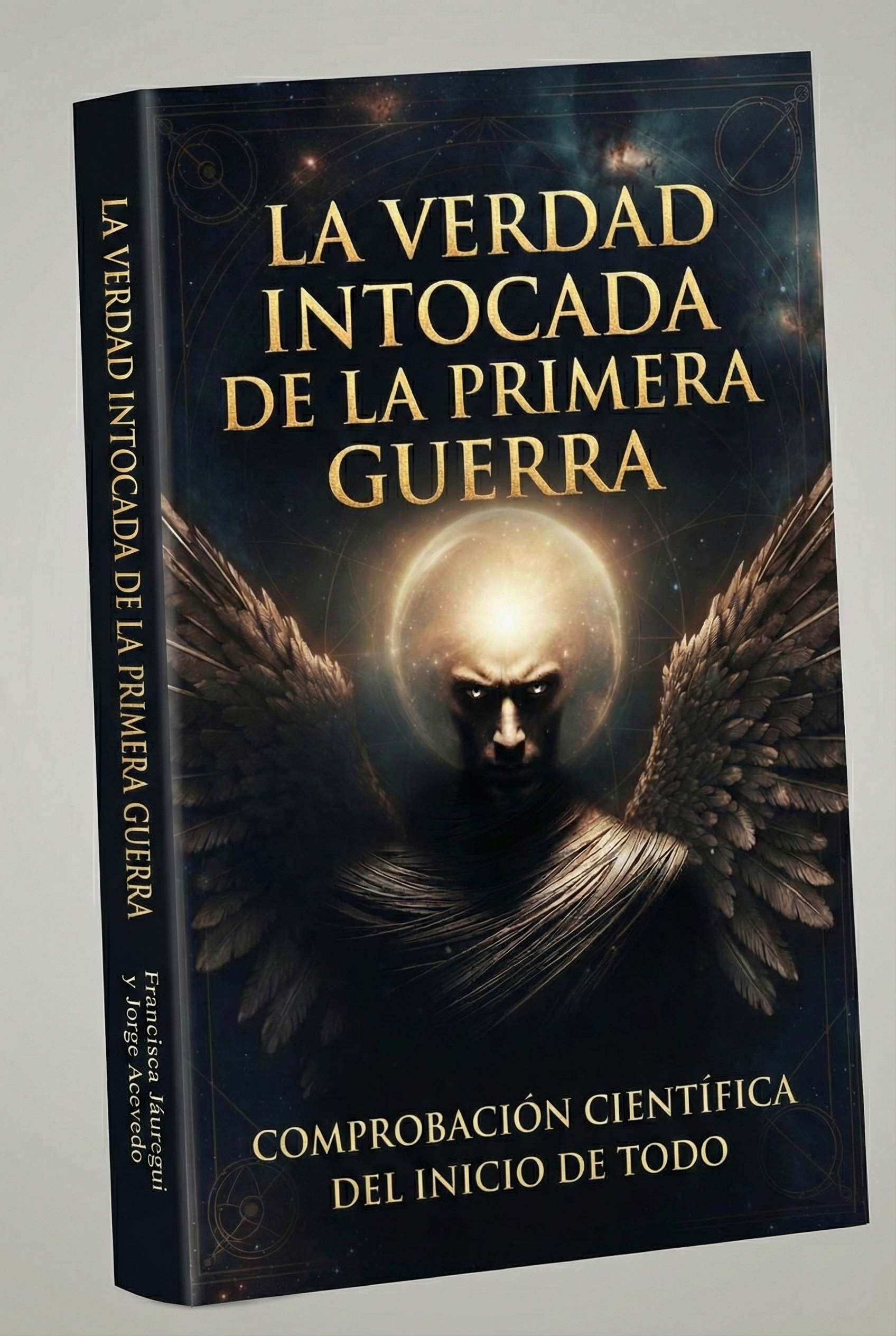

Thesis: The "Thesis Book" serves as the scientific and philosophical backbone supporting the fiction. Its purpose is triggered by the "Mandate" discovered by Ezra: "recreate the 'celestial battle' to explain and scientifically verify the beginning of everything". This text functions as the "Scientific Verification," seeking to demonstrate the inviolability of God's plan. Through "Thesis Rigor/Programming," it validates complex doctrines—such as the divinity of Nicea or the psychology of volitional control—transforming the narrative universe into a "vast moral structure". It establishes that faith is an act of obedience and response, rather than naive speculation, contrasting the Vision of God with chaotic reality.
Tésis: El "Libro de la Tesis" constituye la columna vertebral científica y filosófica que sostiene la ficción. Su propósito se activa mediante el "Mandato" descubierto por Ezra: "recrear la batalla celestial para explicar y comprobar científicamente el inicio de todo". Este texto funciona como la "Comprobación Científica", buscando demostrar la inviolabilidad del plan de Dios mediante el uso de la Recta Razón. A través de una "Programación/Rigor Tésico", la Tesis valida doctrinas complejas —como la divinidad de Nicea o la psicología del control volitivo— transformando el universo narrativo en una "vasta estructura moral" y demostrando que la fe no es especulación, sino una respuesta lógica y obediente a la realidad cósmica.
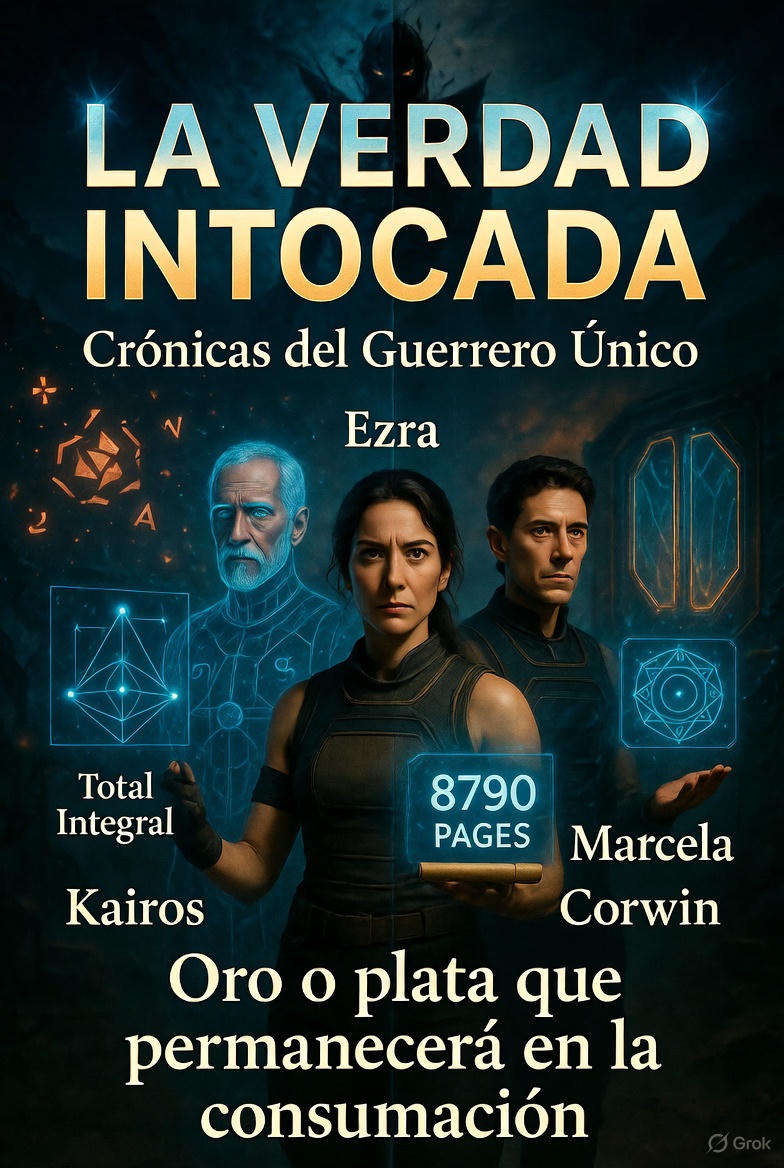
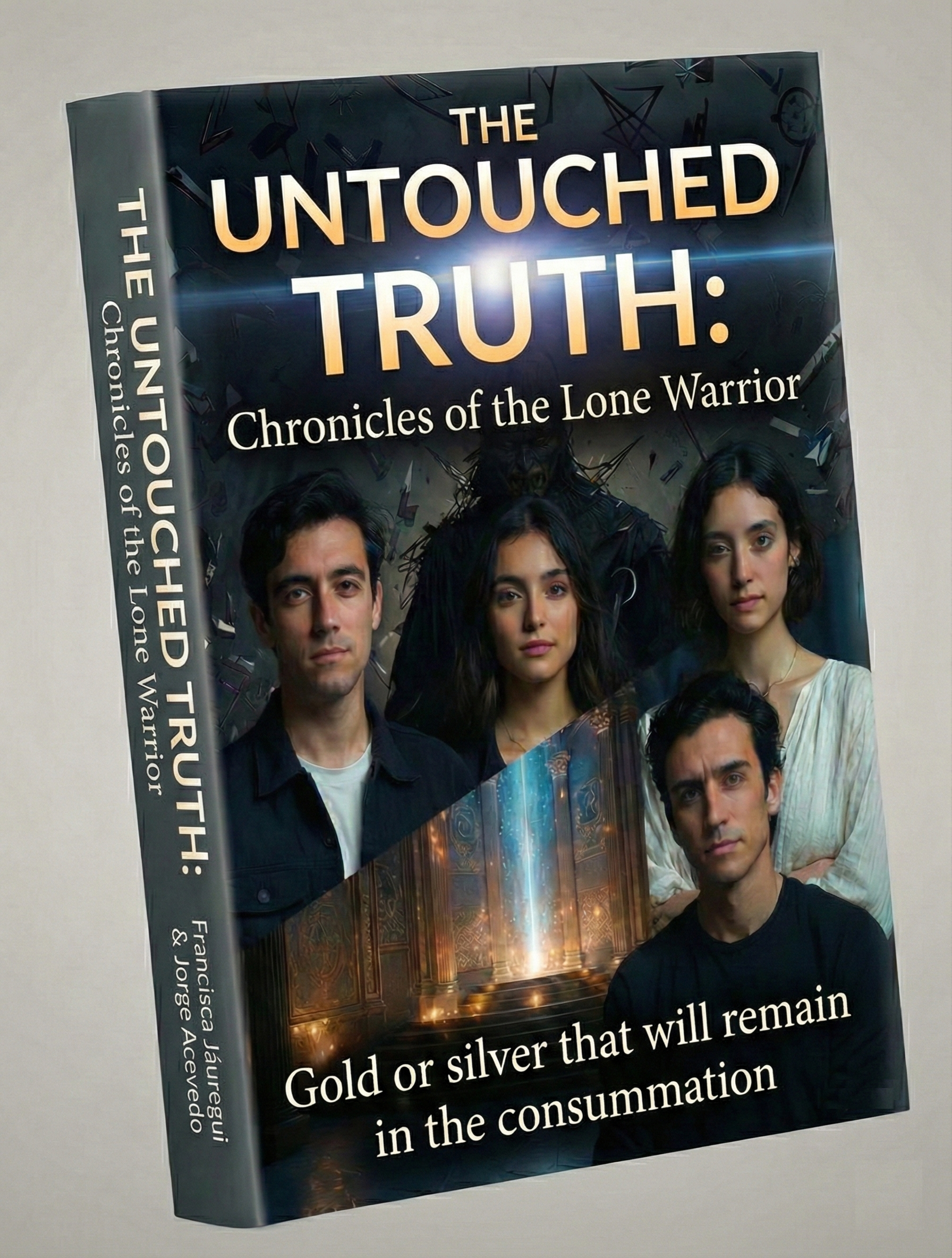
The Novel is a Transcendental Moral Navigation Map for the Youth (past, present & future) – “An old book of an old but living story” . Readers/Spectators gain the tool of Mimesis of the Triumphant Hero, teaching them to share knowledge (Master’s role) within 48 hours. The editorial gains a viral mechanism and a Generational Legacy.
Titulada LA VERDAD INTOCADA: Crónicas del Guerrero Único, esta obra de larga duración comienza in media res con la "Visión Celestial" del protagonista, Ezra. La novela dramatiza el choque de dos imperios: la libertad finita y pecadora contra la libertad absoluta de Dios. A través del viaje de Ezra —desde su crisis personal hasta su entrenamiento estoico con Kairos— la trama une la teología histórica con la acción contemporánea. La historia avanza inexorablemente hacia la Parusía, haciendo visible lo invisible y mostrando cómo, a pesar de la corrupción institucional, el error humano y el caos apocalíptico, el plan divino mantiene el control final de la historia, culminando en una restauración total donde "las primeras cosas pasaron".
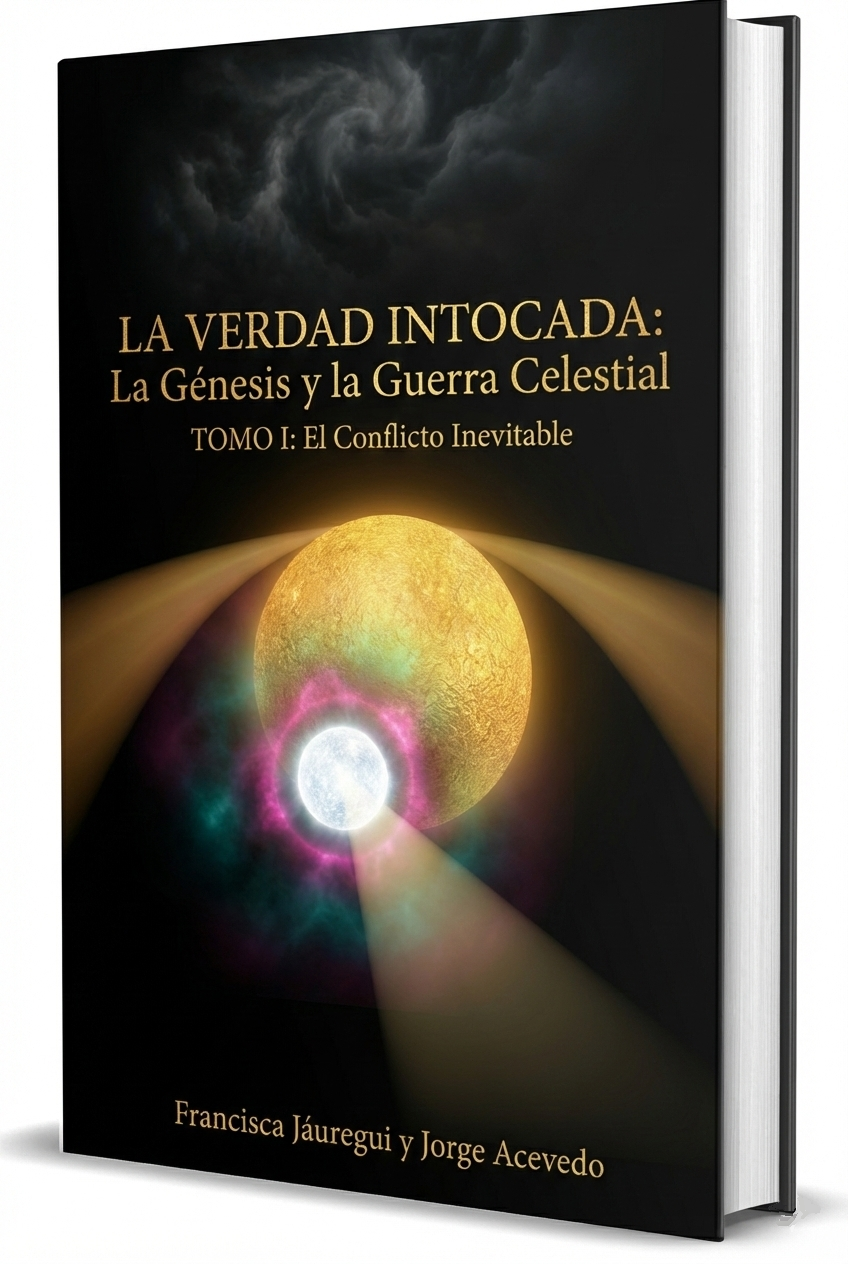
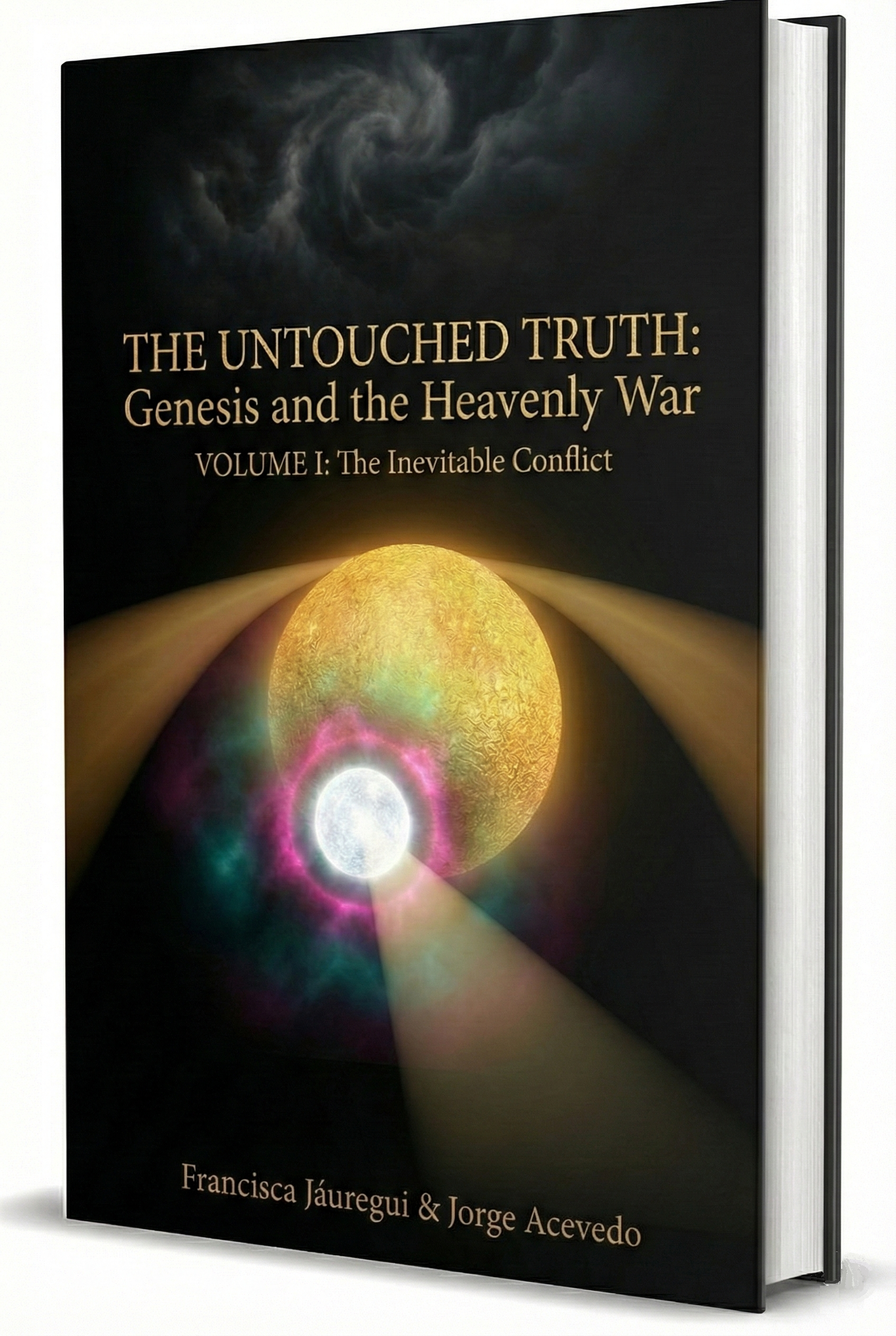
BOOK I
Seal I (The Genesis and the Celestial War):
The story begins by revealing the creation of the universe as the result of the free desertion of creatures led by Satan.
The current universe is the result of that original fall, establishing a dualism between the finite freedom of the "Ego/Ananké"
and the absolute freedom of God. The "mother promise" is introduced, defining the tone of salvation history.
TOMO I
Sello I (La Génesis y la Guerra Celestial):
): La historia inicia exponiendo el conflicto inevitable surgido de la deserción de criaturas lideradas por Satán,
definiendo el universo actual como resultado de esta caída. Se establece el dualismo entre la libertad absoluta de
Dios y el "Ego/Ananké", junto con la "promesa madre" de un redentor.
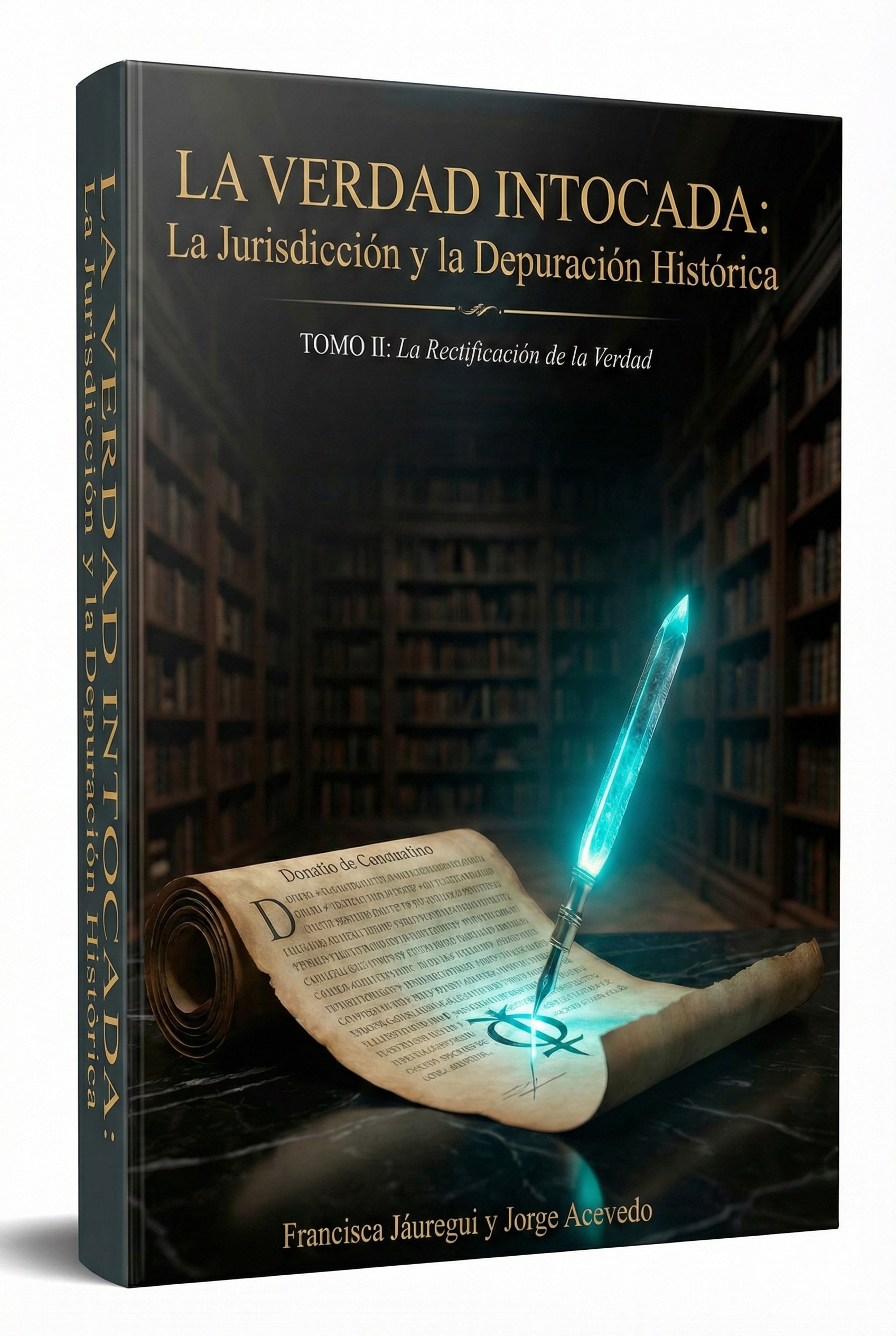
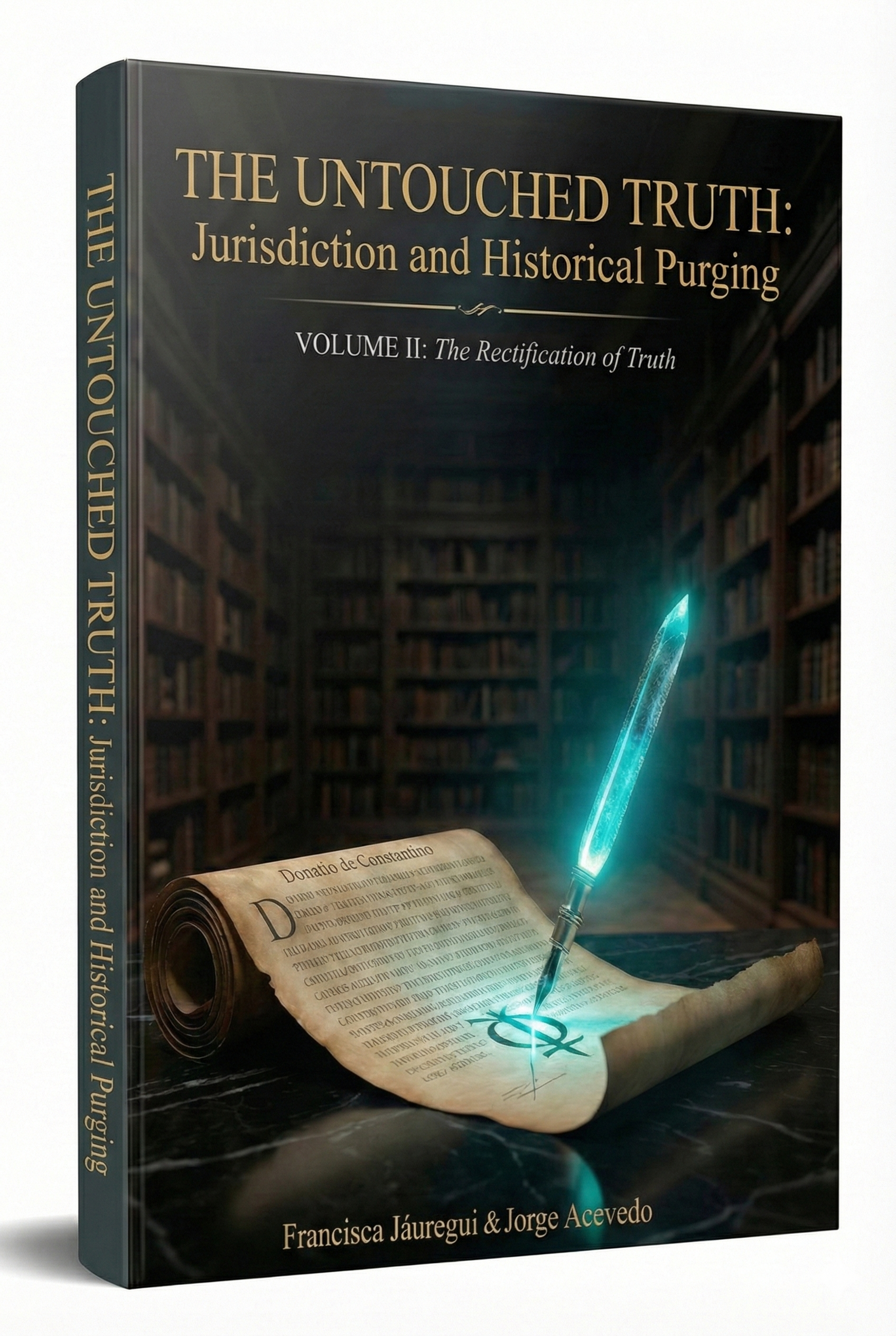
BOOK II
Seal II (The Unrecognized Warrior):
The historical error of literalist interpretation is addressed. The Jewish people reject the Messiah
for expecting a political conqueror instead of a Lamb, failing to recognize his actual presence and
the inaugurated eschatology.
TOMO II
Sello II (El Guerrero No Reconocido):
Se aborda el error histórico de la interpretación literalista. El pueblo
judío rechaza al Mesías por esperar un conquistador político en lugar de un
Cordero, fallando en reconocer la "escatología inaugurada" y la presencia
mística interior de Dios.
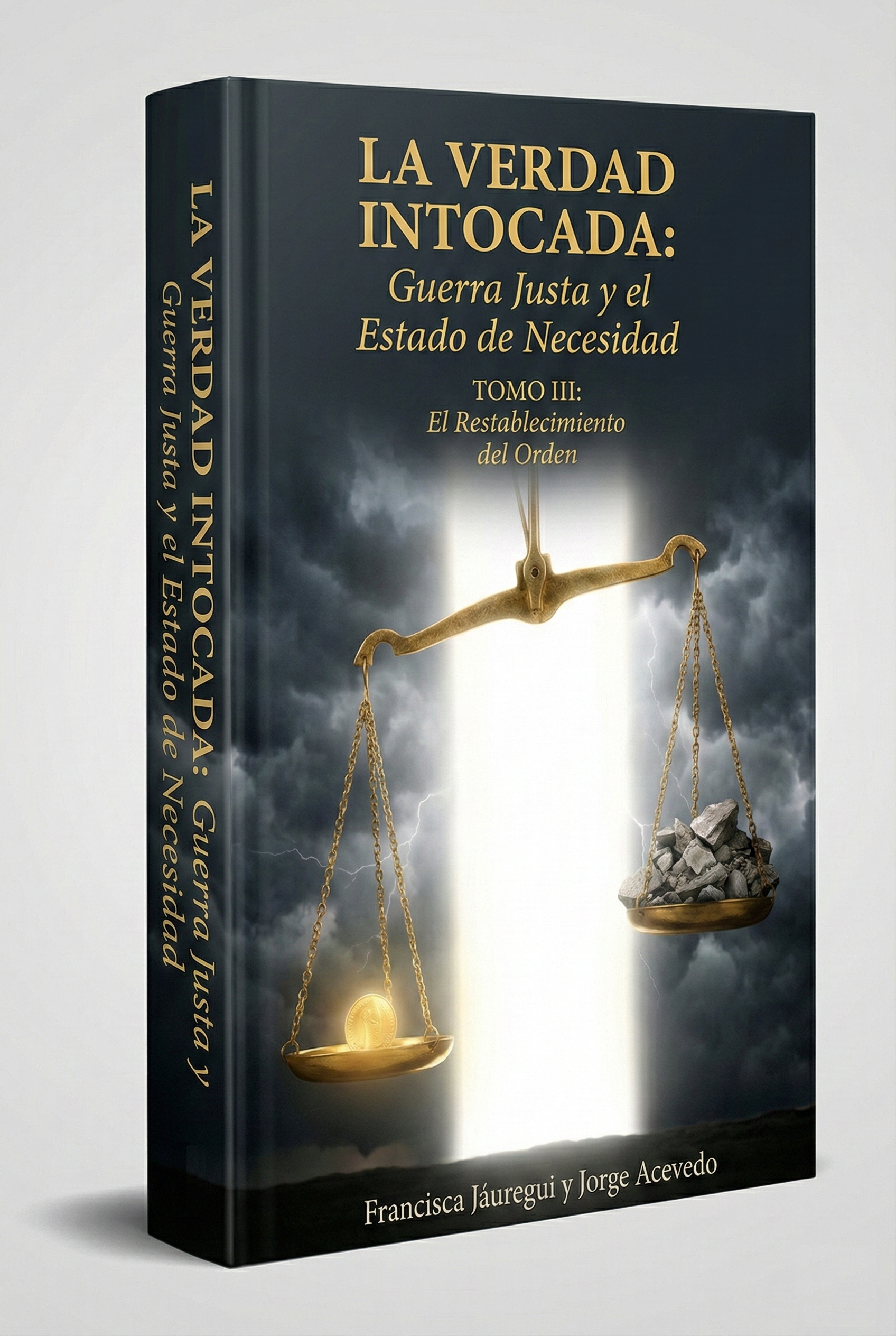
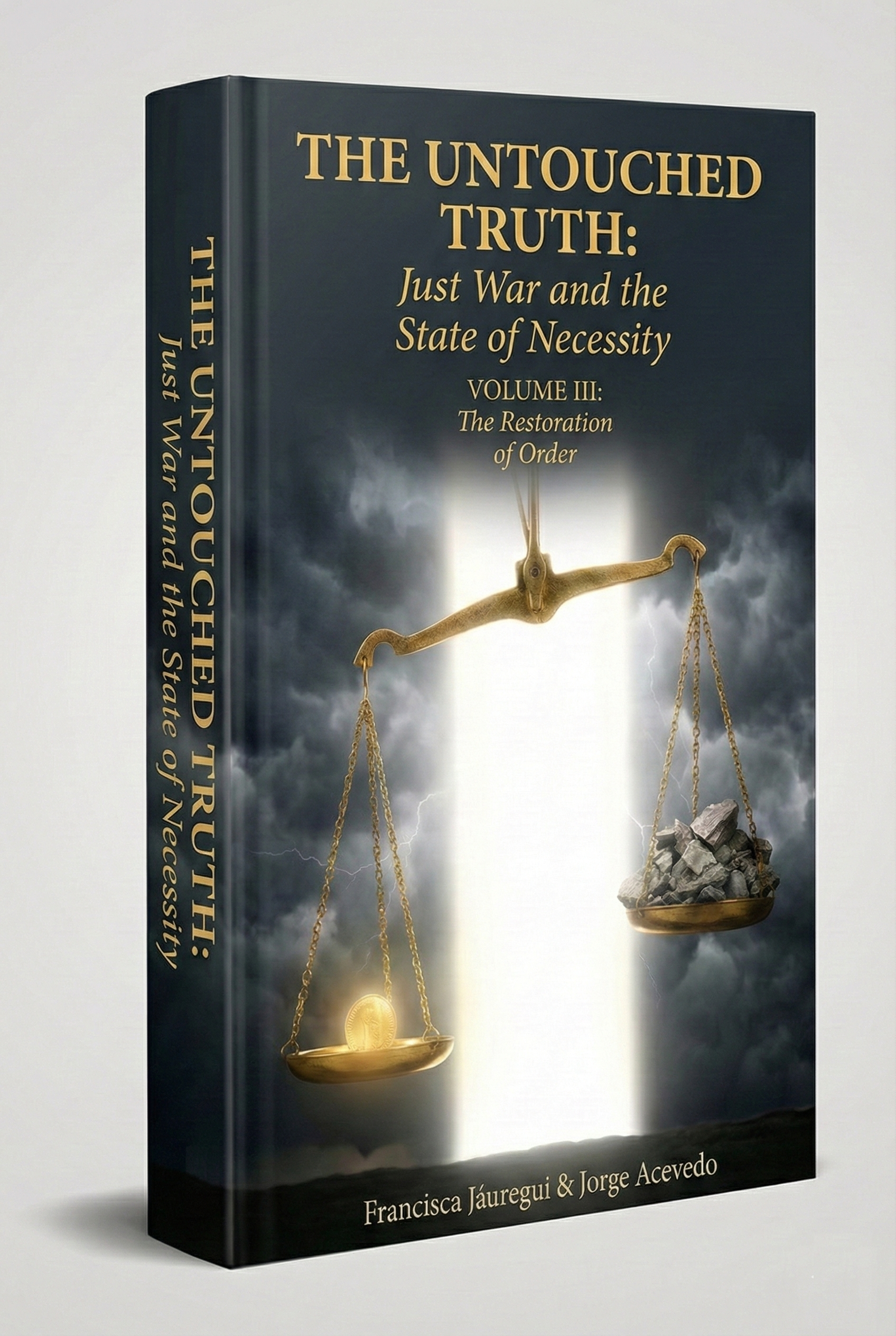
BOOK III
Seal III (The Legacy of the Shadow):
This section narrates the institutional corruption following the rise of Constantine and the falsification
of the "Donatio". The Council of Nicea is dramatized not as a simple event, but as the arduous
construction of doctrinal truth against ideological contamination.
LIBRO III
Sello III (El Legado de la Sombra):
Narra la corrupción institucional tras el ascenso de Constantino y la falsificación de la "Donatio".
Se dramatiza el Concilio de Nicea no como un evento simple, sino como una ardua construcción
de la verdad doctrinal frente a la contaminación ideológica.
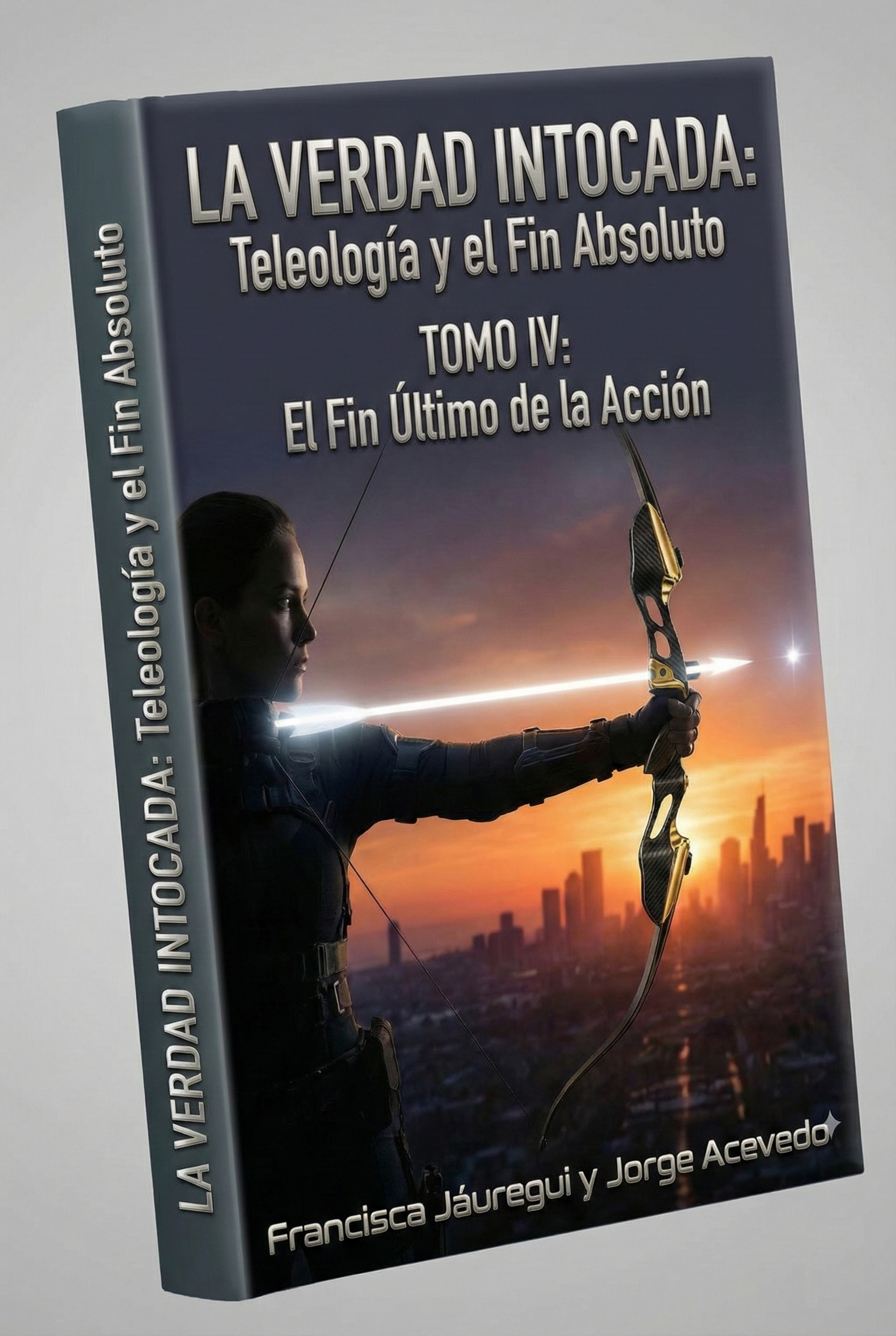

LIBRO IV
Sello IV (El Frente Cognitivo):
La acción se centra en EZRA (el Rapsoda), quien sufre una crisis ante el peso de la revelación.
Su mentor, KAIROS, lo introduce a la disciplina del "Guerrero Único" y el uso del "Diario Visible"
para controlar la volición y vencer los pensamientos automáticos.
BOOK IV
Seal IV (The Cognitive Front):
The action focuses on EZRA (the Rhapsodist), who falls into distress under the weight of the revelation.
His mentor, KAIROS, introduces him to the "Unique Warrior" discipline and the use of the "Visible Diary"
to control volition and defeat automatic thoughts.


LIBRO V
Sello V (El Acto Justo):
EZRA ejecuta una "Intervención" operativa para proteger la confianza social ("Reinventar el Mercado").
Enfrenta el antagonismo de las instituciones, que tildan su praxis de fantasía, demostrando que la
rectitud se prueba en la prioridad de la relación social sobre el lucro.
BOOK V
Seal V (The Just Act):
EZRA executes an operational "Intervention" to protect trust, known as "Reinventing the Market".
He faces institutional antagonism, which labels his praxis as fantasy, demonstrating that
righteousness is proven by prioritizing social relationships over profit.
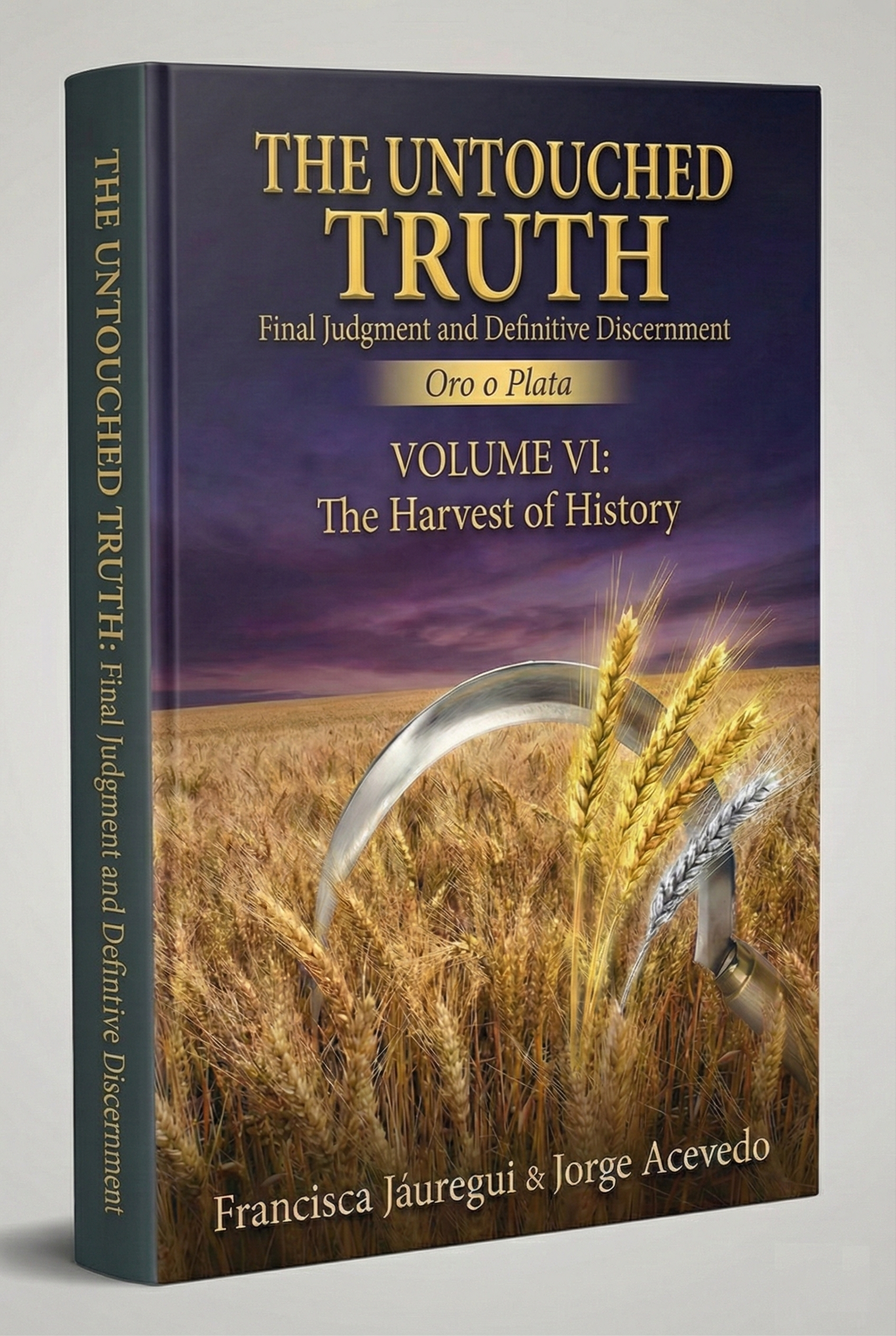

LIBRO VI
Sello VI (La Gran Tribulación):
El conflicto escala con la aparición del Anticristo y las Dos Bestias (poder político y religioso)
que usan propaganda y coacción. Se describe la perseverancia de los fieles en medio de señales
cósmicas simbólicas de destrucción.
BOOK VI
Seal VI (The Great Tribulation):
The conflict escalates with the appearance of the Antichrist and the Two Beasts (political and religious powers),
who employ propaganda and coercion. The perseverance of the faithful is described amidst symbolic cosmic signs
of destruction.
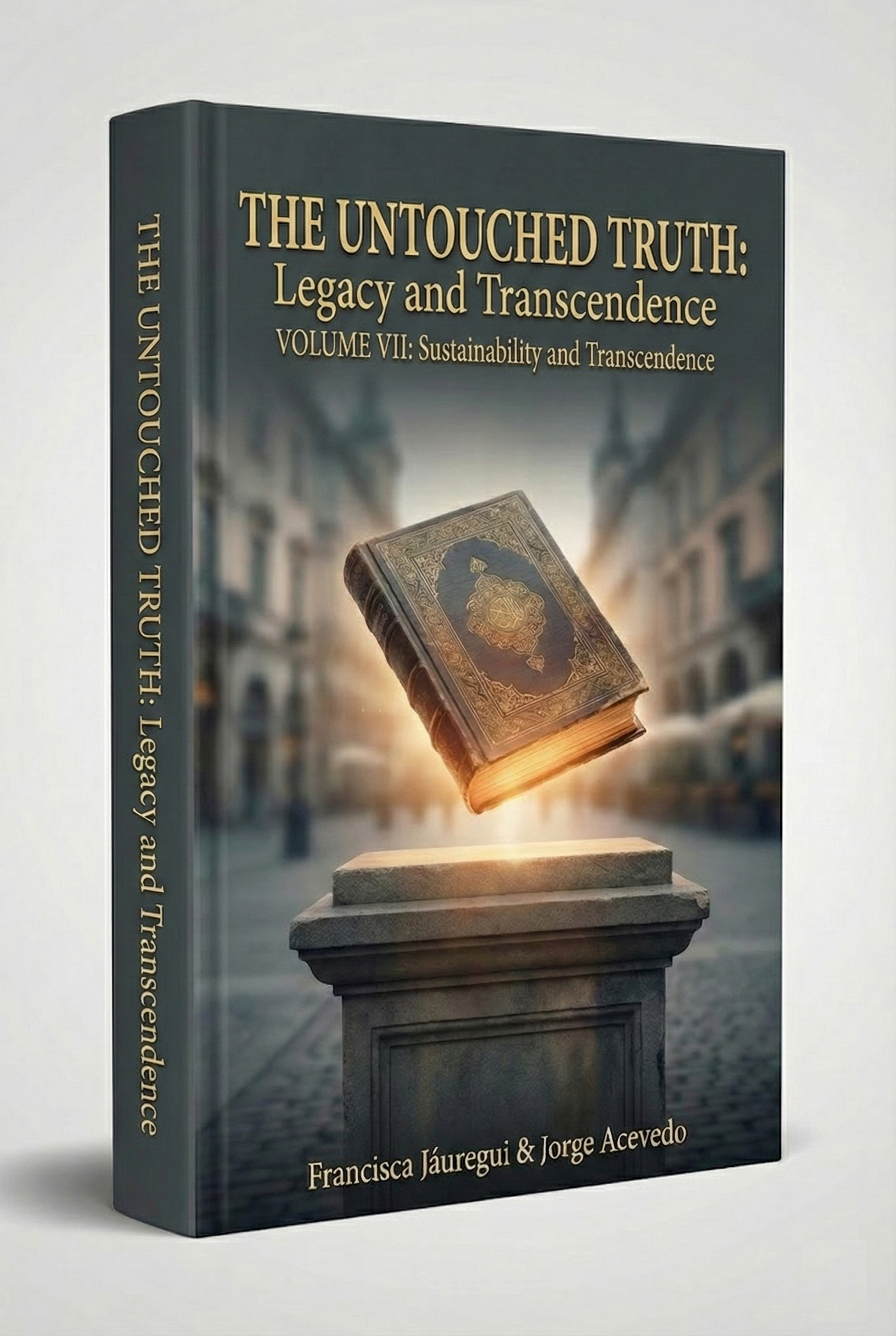
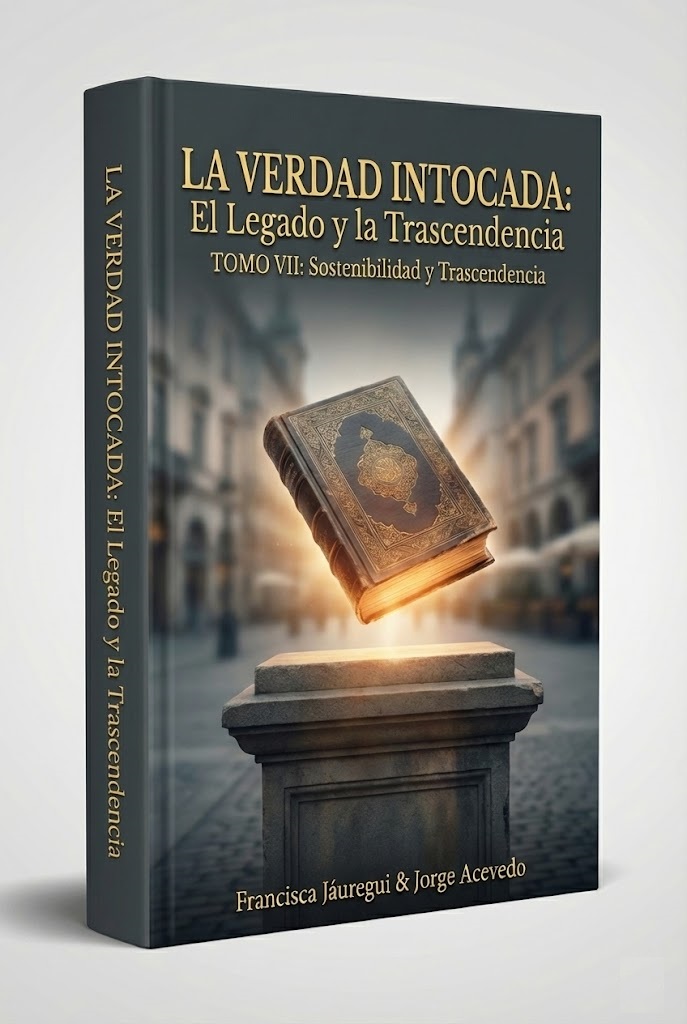
LIBRO VII
Sello VII (La Consumación):
La saga concluye con la Parusía (Segunda Venida), el Juicio Final y la condenación del antagonista supremo.
Se inaugura la "Nueva Creación", donde el dolor desaparece y la historia humana culmina en la victoria absoluta de Cristo.
BOOK VII
Seal VII (The Consummation):
The saga concludes with the Parousia (Second Coming), the Final Judgment, and the
condemnation of the supreme antagonist. The "New Creation" is inaugurated,
where pain disappears and human history culminates in Christ's absolute victory.